Cans from Challans delivered the same morning, sea bass fished the day before in Brittany, heirloom vegetables harvested less than 100 kilometers from Paris… Behind a corporate cocktail Successful sourcing often hides a supply chain that is invisible to guests, but crucial to the quality of the experience. Direct sourcing, which means buying from producers without intermediaries, is transforming event gastronomy far beyond ecological considerations.
What direct sourcing really means
The term “circuit court” has made its way into food vocabulary, sometimes in a confusing way. Strictly speaking, it refers to marketing with no more than one intermediary between producer and consumer. Direct sourcing goes a step further: it establishes a relationship without intermediaries, from field to plate.
For an event catererHowever, this approach involves a considerable amount of work in the field. We have to identify producers, visit farms, understand their growing and breeding methods, negotiate volumes and organize logistics adapted to the constraints of the event. This is not an approach that can be improvised in response to a marketing trend.
Trait’Tendance has been sourcing for over 15 years. Every morning, the laboratory in Issy-les-Moulineaux receives products directly from farms, fields and fishing boats, from all over France.
Taste impact: why it makes all the difference
The difference in taste between a directly sourced product and one that has passed through several intermediaries is not a matter of gastronomic snobbery. It’s a matter of plant and animal physiology.
A vegetable harvested at maturity for rapid delivery develops its full flavour. The same vegetable, picked green to withstand several days’ transport and storage, will never achieve this intensity of flavor. The tomato that travels ripens in a refrigerated truck, not in the sun.
For seafood, the time between catch and consumption determines the texture of the flesh. Fish served less than 48 hours after capture is incomparably firm and fresh. This quality is immediately apparent in the mouth, even to the untrained palate.
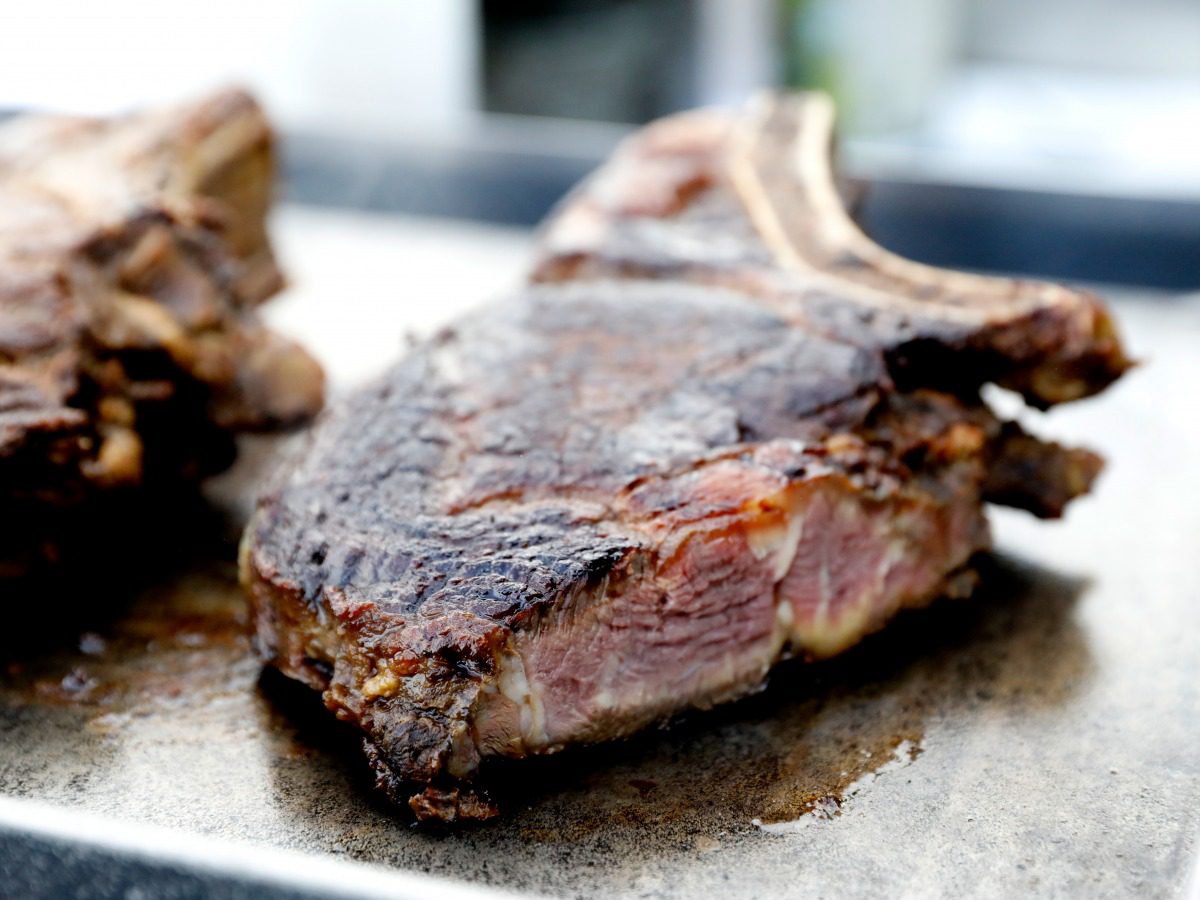
Meat raised by peasant farmers, with animals fed in the traditional way and slaughtered locally, offers a density of flavor that intensive farming cannot reproduce. Aubrac beef offered by Maison Conqueta Trait’Tendance partner, illustrates this difference in every bite.
Long-term partnerships
Direct sourcing doesn’t operate on the classic transactional model of commerce. It’s based on human relationships, built up over many years, between chefs and producers.
Terroirs d’Avenircreated in 2008, embodies this philosophy. The company has built up a network of artisanal farmers and fishermen whose products it distributes to chefs in the Paris region. Every day, its Bercy depot receives goods direct from the farms, bypassing traditional wholesalers.
This proximity to producers gives us access to varieties that cannot be found in conventional channels. Old-fashioned vegetables forgotten in industrial catalogs, animal breeds preserved by a few passionate breeders, aromatic herbs cultivated using traditional methods: these exceptional products only exist outside standardized channels.
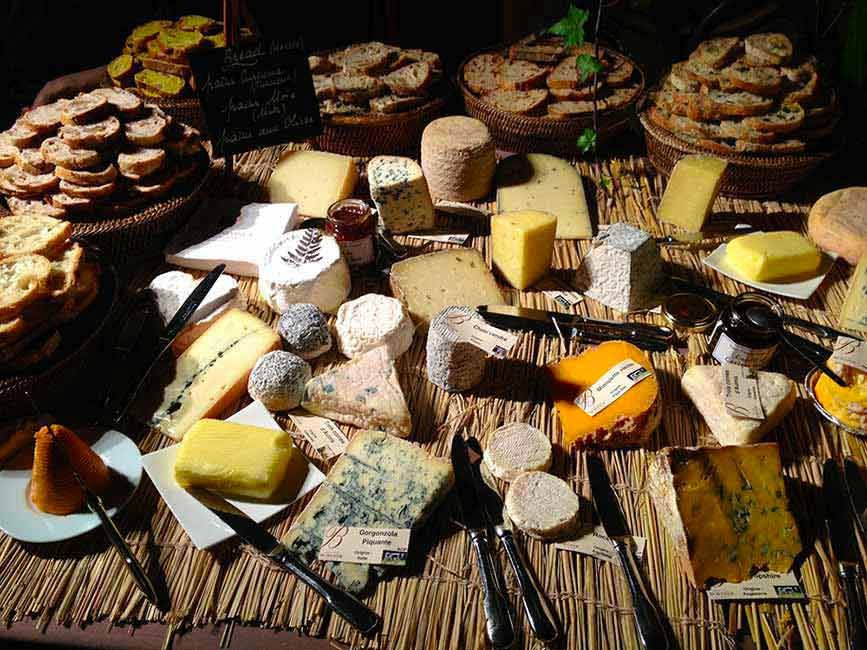
Jean-Yves Bordier is another example of sustainable partnership. This Breton master butter-maker works with farms selected for the quality of their milk. His butters, matured in his Saint-Malo cellars, provide a taste signature impossible to reproduce with industrial products. Trait’Tendance incorporates these butters into its culinary creationsfrom simple tartines served as cocktails to sauces for gala gala dinners.
Seasonality as a creative constraint
Working with direct sourcing means respecting natural rhythms. We don’t serve asparagus in October or pumpkin in April. This constraint, often perceived as a limitation, becomes an engine of creativity for culinary teams.
The Trait’Tendance cocktail menu evolves with the seasons. Spring brings the first broad beans, peas and crisp radishes. Summer ushers in heirloom tomatoes, zucchini flowers and berries. Autumn brings forest mushrooms, squash and chestnuts. Winter brings root vegetables, citrus fruits and game.
This seasonal approach guarantees products at the peak of their gustatory and nutritional quality. It also allows us to surprise guests accustomed to standardized buffets where the same preparations are repeated all year round. A cocktail doesn’t look like a September cocktail, and all the better for it.
The logistical implications of direct sourcing
Sourcing directly from producers requires rigorous logistical organization. Event volumes fluctuate wildly from one week to the next. A caterer may need 50 kg of vegetables one day, and 500 kg the next. Growers, used to regular flows, have to adapt their deliveries.
Trait’Tendance has invested in infrastructures adapted to these constraints. Visit 1,400 m² premises set up in 2018 on the outskirts of Paris, combine a culinary laboratory, logistics platform and storage facilities. This proximity to the capital enables fresh produce to be received and quickly processed for the day’s events.
The direct relationship with producers also makes it easier to deal with unforeseen circumstances. When a customer adds 50 guests at the last minute, a phone call to the market gardener can be enough to adjust quantities. This kind of responsiveness would be impossible with a traditional supply chain involving wholesalers and central purchasing agencies.
Direct sourcing and CSR
The choice of direct sourcing is a natural part of our corporate social responsibility policy. Trait’Tendance, certified ISO 20121 for responsible event management, integrates this dimension into its selection of suppliers. suppliers.
The environmental benefits are manifold. Reducing the number of intermediaries means less transport. Respect for seasonality avoids heated greenhouses and long-distance imports. Working with small-scale farms encourages less intensive farming practices.
In economic terms, direct sourcing pays producers more. Without the margins captured by middlemen, a larger share of the final price goes to those who grow, raise or fish. This fair remuneration helps to maintain small-scale farming, which is threatened by the concentration of supply chains.
OéTrait’Tendance’s partner for organic wines, illustrates this approach. The company works with winemakers committed to environmentally-friendly practices, guaranteeing them stable prices over several years. The bottles served at our events tell the story of this fair cooperation.
From producer to story: telling the origin of products
Direct sourcing offers valuable narrative material for corporate events. Knowing the exact origin of a product, the name of the producer, the history of the farm, creates meaning around the taste experience.
On a catering buffetA simple label can transform a tasting experience: “Line-caught sea bass, catch of the day, Guilvinec” or “Mature cheese, caves Jean-Yves Bordier, Saint-Malo”. This information arouses the curiosity of guests and enriches their conversations.
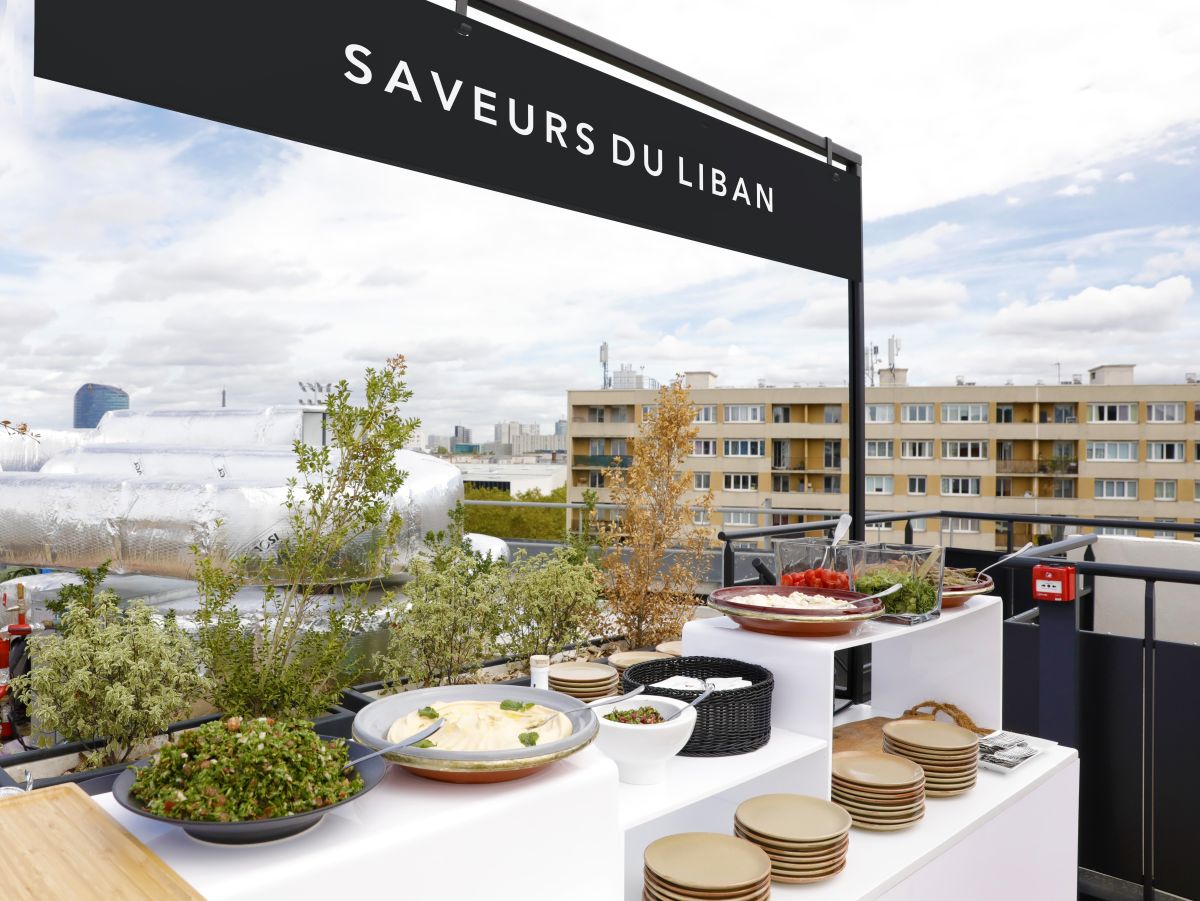
For Food CornersThis narrative dimension takes on even greater significance. A stand dedicated to the products of a particular terroir, with photos of the producer and explanations of his methods, creates an immersive experience that goes beyond simple catering.
Sales teams can promote this traceability to their customers. For a company concerned about its CSR image, serving products sourced directly from identified producers reinforces the coherence of its communication.
Spices and condiments: controlled global sourcing
Direct sourcing is not limited to fresh local produce. For spices, oils or specific ingredients, it involves relationships with producers from further afield, selected with the same exacting standards.
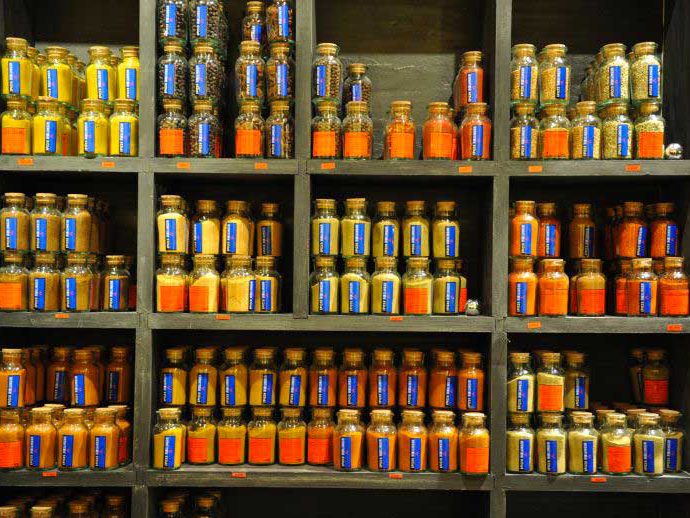
Olivier Roellingera three-starred chef turned grocer, travels the world to unearth exceptional spices. His peppers, curries and aromatic blends come from producers he knows personally. Trait’Tendance uses these spices in its culinary creationsbringing flavors not found in the standard trade.
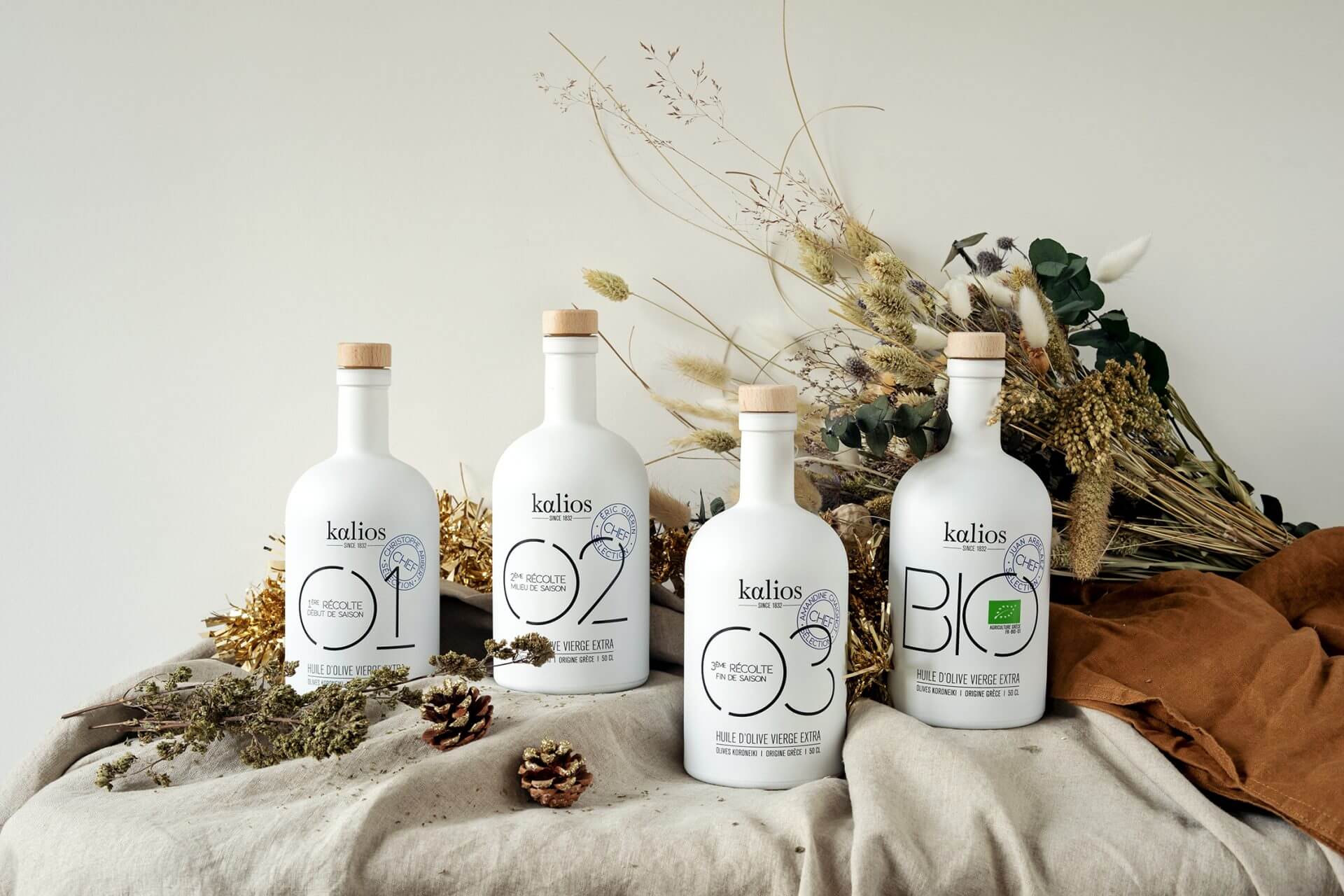
Kaliosanother partner, offers Greek olive oils from identified terroirs. Each cru has its own personality, its own aromas and its own special pairings. This diversity enables chefs to choose the right oil for each preparation, just as a sommelier selects a wine.
Le Palais des Thés applies the same philosophy to the world of tea. Our buyers visit the plantations, meet the growers and taste the harvest before making their selection. The teas served at event breaks are traceable.
The real cost of direct sourcing
Does direct sourcing cost more? The question deserves a qualified answer.
Products purchased directly from producers often have a higher unit price than their industrial equivalents. A free-range chicken cannot compete with a battery chicken on price per kilo. But this comparison overlooks several factors.
The superior taste quality of directly sourced products means you can reduce the quantities served, while still satisfying your guests. Tasty meat is more satisfying than bland meat, which is eaten again to compensate. Tasty vegetables stand on their own without the need for masking seasonings.
Product freshness also reduces waste. An ingredient delivered in the morning can be worked on during the day and served in the evening in optimal conditions. Losses linked to prolonged storage disappear.
For corporate clients, any additional costs are justified by the differentiated experience offered to guests. A memorable event generates spin-offs in terms of image and relationships that far outweigh the savings made on a low-end caterer.
Integrate direct sourcing into your event
How can you make the most of this approach for your next corporate event ?
The first step is to make this a criterion for selecting your caterer. Ask specific questions about product origin, supplier names and sourcing methods. A caterer committed to direct sourcing will respond with enthusiasm and precision.
Then accept seasonal logic. If your event takes place in February, forget the tomato-mozzarella and let yourself be guided towards winter vegetables. This flexibility opens the door to gustatory discoveries.
Plan a discussion with the culinary team before the event. Trait’Tendance chefs can introduce partner producers, explain their sourcing choices, and suggest combinations of products and the theme of the reception.
Finally, make the most of this approach with your guests. A word in the invitation, an explanatory sign on the buffet, a speech by the chef during the evening: these elements transform the meal into a conscious and memorable experience.
To explore the possibilities of direct sourcing for your event, contact the Trait’Tendance team and and request a personalized quote.